Poetry, like hymn singing, was okay in Iceland. Both came with the settlers. The poetry and hymn singing expanded to become secular but still was an important part of the daily life of the settlers. Even today, numerous books of poetry in Icelandic written by the first generation of immigrants still exist. Also, still existing, are anecdotes about the struggle between farming and writing. It has been said about more than one farmer that
My mother became a Credit Union manager quite by accident.
My father had gone to the local bank to borrow two hundred dollars to finance his commercial fishing for the fall season. The bank turned him down. The bank manager was quite straight forward about the reason. He said it wasn
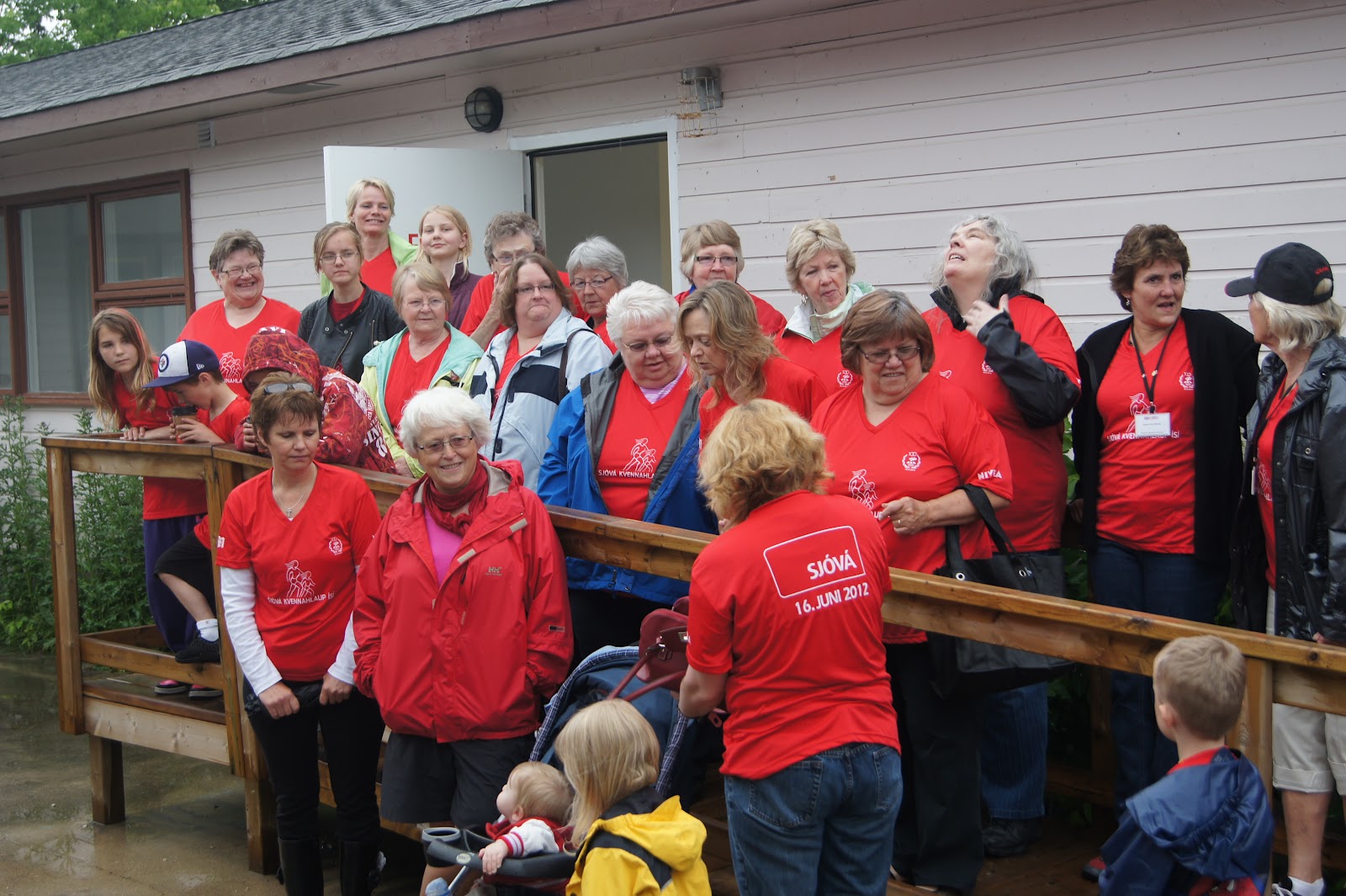
In a slight drizzle, slight because for the last few days Gimli has been being drenched by thunderstorms, an enthusiastic group gathered at the Gimli park for the beginning of the annual Kvennahlaup.
Embracing our heritage is hard work. It requires effort on our part. Putting on a plastic Viking helmet, drinking an Icelandic beer and gobbling up rullupylsa doesn
The world in between. That was the world of my great great grandparents, those people who could legitimately claim to be Icelandic while living in Canada. Born in Iceland, emigrating, And then adapting and integrating them with the world of New Iceland.
bringing with them memories of Icelandic life and landscape, Icelandic ways of thinking and believing, Icelandic traditions.
When people emigrate, they bring with them the memory of their homeland. They bring with them religion, values, sets of behaviours. They have experienced life within their country and culture. They bring with them what they know. What they come to is the unfamiliar. For the Icelandic settlers the unfamiliar was forests, bitterly cold weather, water that froze to six feet, large wild animals, building with wood.
Once in Canada, a normal survival mechanism for every immigrant group is to live close together. That way, the shock of the new is alleviated somewhat. For Icelanders, their new communities were in New Iceland and in the West End of Winnipeg. There, they could speak Icelandic, eat Icelandic food, attend Icelandic churches, socialize with people like themselves.
These centres, created and bound by need, are not stable. Shortage of good land, greater opportunities, growing security in the new world, all of these cause some people to seek other places to live. First, one or two leave, find a place such as Argyle in Manitoba where the land was better for farming, they notify friends and relatives who then follow them.