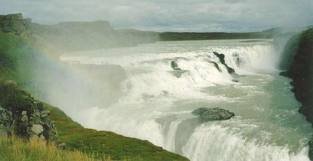
And so, your wooden boxes for the horses are ready, your fishing equipment is packed, also your shotgun and shells. You
Advertising Iceland, 1900

If you
Embrace your heritage
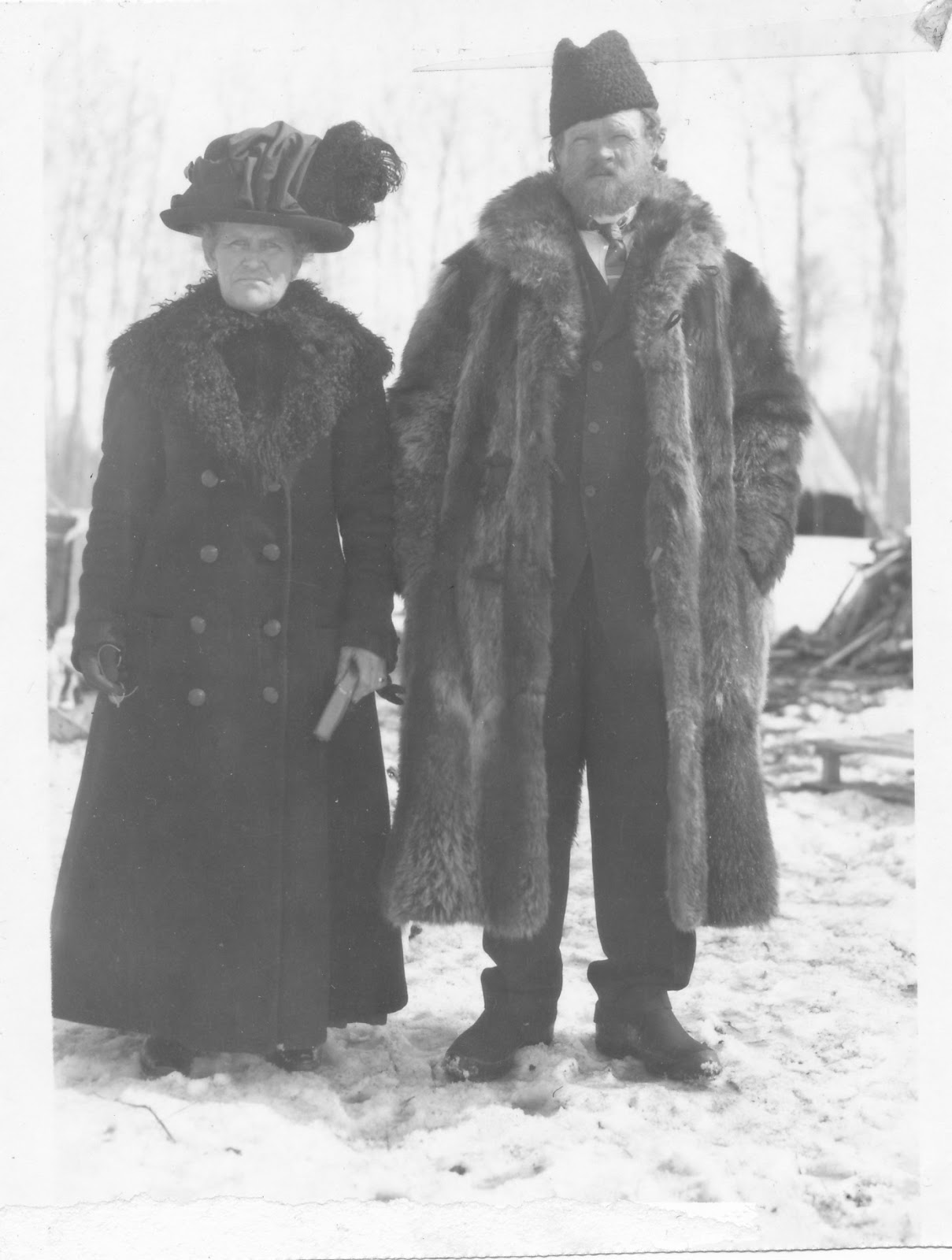
Easter ritual
Sheep make you rich

Without sheep our Icelandic ancestors would have been driven from Iceland or died. Sheep, more than any other animal, fed and clothes our people. From such a humble animal came life. Today, sheep are no longer the centre of existence for Icelanders or for Icelandic North Americans. While sheep are still often seen in Iceland, they are only seen in Canada occasionally. Their breeding is specialized. Their wool has been replaced by synthetics. Their milk is seldom used. Mutton is seldom seen in stores and when lamb is found, it is usually from New Zealand and Australia.
Icelandic lamb is universally praised. However, it is no longer the staff of life. Here, on the West Cost of Canada, there are Icelandic sheep being raised. The wool from them is processed at a mill on Salt Spring Island. What once came from Icelandic sheep, wool, meat, milk is exotic, specialized, no longer the products necessary for life.
It seems a hard fate for an animal that was central to the survival and prosperity of our Icelandic ancestors.
Wealth in Iceland was measured in the number of sheep a farmer owned.
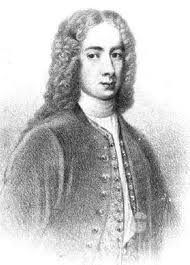
In 1772 when von Troil visited Iceland, he had much to say about the importance of sheep.
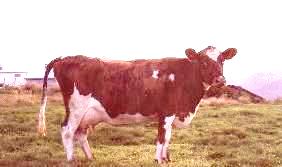
Uno von Troil: cattle
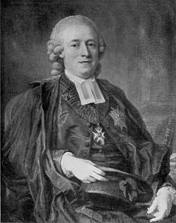
Uno von Troil says
Uno von Troil, Iceland, 1772
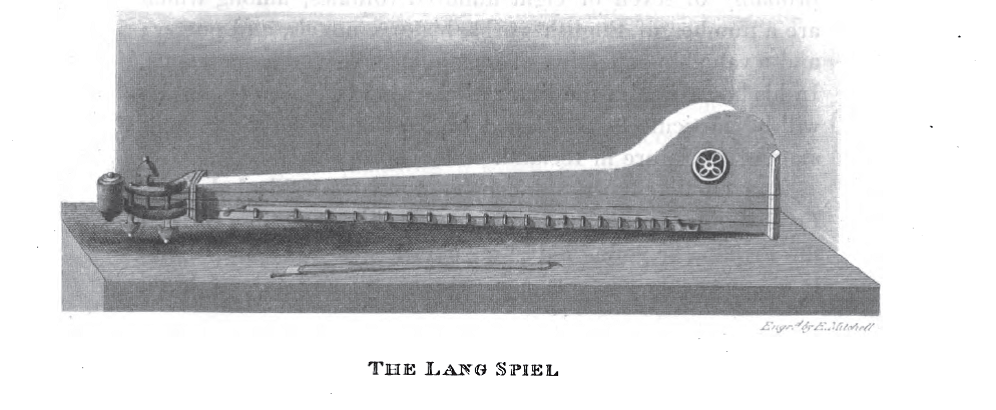
The Langspil, Mackenzie, 1810
When Sir George Mackenzie travels around Iceland, he is accompanied by letters of introduction. He is no young man without means but a powerful, titled, well-to-do Scotsman, highly educated and recognized. He was the youngest person, age 18, to ever be inducted into the Scottish Royal Society. His recognition was for proving that diamonds are made of pure carbon.
He comes to Iceland because of his interest in the geology. However, since, there are no commercial inns or way stations in Iceland, he and his friends must stay in churches, farmhouses or tents. They must find grass for their horses. Although they have with them some food and are able to shoot birds and catch fish, they are in need of the milk, cream, skyr, rye bread and fish that can be provided by the local farms. Because of his connections, Mackenzie is able to stay at the homes of the wealthiest farm owners, the best-off priests. He does not have to stay in the Icelandic farm homes that he describes as wretched, filthy, ill-smelling and crowded.
Yet, his book, Travels in the Island of Iceland During the Summer of the year MDCCCX (1810), is highly valuable because of his observations of life in Iceland.
His attention to culture can best be seen during his visit to Indreholm, the home of Chief Justice Stephenson. It is here, during a supper unimaginable to the ordinary Icelander who lived on coarse rye bread, skyr, milk, butter, dried fish and, perhaps once or twice a year, meat. There is boiled salmon, baked mutton, potatoes imported from England, sago and cram, London Porter (imported), and port wine (imported).
It is while dining on this banquet that Mackenzie
Social class in Iceland, 1810