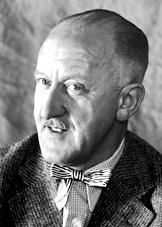
Author (fiction, poetry, drama, non-fiction, children's literature), editor, professor of creative writing. Adult novels: Gentle Sinners, The Girl With The Botticelli Face; Short story collections: Bloodflowers, Red Dust, What Can't Be Changed Shouldn't Be Mourned, God Is Not A Fish Inspector: Children's books: Thor, Winter Rescue, Frances, The Divorced Kid's Club, Garbage Creek. Taught at Cottey College, Nevada, Missouri; University of Victoria, British Columbia. Retired editor of Logberg-Heimskringla, Canada's oldest ethnic newspaper (Icelandic). Interests: all things Icelandic, Icelandic emigration in the 19th Century, New Iceland, Lake Winnipeg, Manitoba, other Icelandic settlements. Fiction, poetry, radio drama, stage drama, film, culture, history, education.
In 1845, Ida Pfeiffer made a trip to Iceland by herself.
There was outrage in some places at the idea of a woman traveling alone in such an isolated, difficult place. Some of that outrage was simply at the idea of a woman traveling alone. Since early childhood she had wanted to travel and with her children grown, she decided to travel, to keep a diary and, if possible, to have her diary published. She accomplished all her goals.
Her books, written in German, were widely translated. She sugar coats nothing in her travels. She talks about both kindness and meanness, both honesty and dishonesty, cleanliness and dirtiness. She describes the rigors of sea-sickness and long days in the saddle without excusing herself in any way.
Her book, now reprinted in a modern version, A Visit to Iceland and the Scandinavian North, can be ordered over the internet and, although her portrait of Iceland and Icelanders thirty years before the emigration to North America began isn
We should all read Laxness because his books answer many questions.
For example, I knew that a man needed to be worth the equivalent of four hundreds to marry but what are four hundreds? I would have asked Haraldur Bessason but he isn
My friend VT called. She said her basement was flooding. From the panic in her voice, I was sure the house was going to sink, its roof disappearing like the deck of ship under the ocean waves.
When I got there she was wading around in six inches of water, trying to salvage boxes packed with her belongings. I wrestled everything moveable onto tables and shelves but there was a lot of
During the summers, when I was a middle school child, I and my friends often rode our bikes from my home town, Gimli, Manitoba, three miles north to Midas (meadow). The banks there were high above the lake and a creek ran through the property. At the bottom of the banks there was sand beach backed by a fringe of willow.
In 1872, Robert Francis Burton spent a summer in Iceland. He was a famous world traveler. During his travels, he took great risks. He was the only non-Muslim to participate in the hajj, traveling to Mecca in disguise at risk of his life. He learned twenty-eight languages plus the customs of many cultures. He came to Iceland obsessed with the idea of re-starting the sulfur mines as he saw them as a way to create employment in Europe
We could hear the music as we threaded through the trees, down the twisting, rocky path. Fir trees, moss, ferns crowded the narrow trail. The cedar house to which we are going sits on the edge of a sharp fall off. It