The Good Neighbour

dempseyflowers

This is my father in his garden at Frog Point, Humbug Bay, Manitoba. It is north of Hecla, nearly at Pine Dock.The government launched a plan at one point to see if people could grow gardens in these northern communities along the lake. They should just have gone to my father’s fish camp and taken a look. he didn’t need any grant.

Last summer, after being in Manitoba for three and a half months, when I returned to Victoria, I found an azalea and a rhododendron dead. It had been a dry summer. They were beautiful plants, valued parts of the garden that fronts my house. I have no lawn. Just a garden of mixed shrubs and flowers. Also, when I left for Manitoba, my fig tree was covered in new figs. When I came back, the figs had dried up and fallen off the tree.

Perhaps it is vanity but Victoria, given its climate, is a city of garden proud people. Plants of all kinds flourish here. When I first moved to Victoria in the early seventies, I was amazed to discover trees and flowers that we

Our ancestors, our heroes

Farm on Snaefellsness

Farm on Snaefellsness, Collingwood

The letters Uno von Troil sent to his patron are, for me filled with intriguing details. Unfortunately, there are no footnotes to expand some of these details.
Probably the most interesting thing he says about the economy of Iceland is that in spite of the harsh laws, the Icelanders manage to trade in smuggled goods. Iceland has a rugged coast. There are many possible harbours where a boat can anchor while word can be spread from farm to farm and the farmers can load up their horses with sheep skins, wool, preserved meat, knitted goods, wadmal, and eider down, anything that they might use to barter for desperately needed goods.

Remember, there were no mineable metals in Iceland. Everything made of metal from horse shoes to sewing needles had to be imported. Every farmer, it was said, was his own blacksmith but blacksmiths need coal, charcoal, and metal bars that can be shaped to whatever is needed.

Since grain could not ripen, barley, rye, and later, rice, needed to be imported. The Icelanders preferred rye biscuit, probably because the biscuit could be stored for long periods of time and, unlike the grain and flour, were not moldy.
According to von Troil, the Dutch smugglers brought better quality goods. Why wouldn

Was Afi A Smuggler

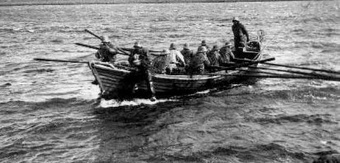
steamers

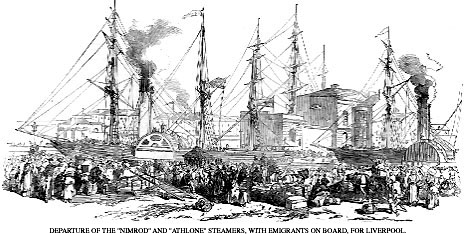
Many of us, I say us, because it was certainly true of me, had no idea of what life was like for Icelanders in the 1700s and 1800s even though it was social and economic conditions during these times that led to our ancestors leaving Iceland the latter part of the 1800s. What I heard, repeatedly, was that our ancestors left Iceland because of the volcanic eruptions. I

1772: Those Kissing Icelanders

black and white farm

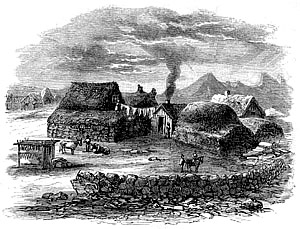
When Dorothy was caught up by a tornado, she was carried to Oz. You, however, after having drunk a tumbler or two of brennavin were transported from Islendingadagurinn in Gimli to Iceland in 1772. As you staggered along a mountain path, grateful only that there is no horizontal rain this day, you have found a turf and lava farmhouse with a front made from driftwood.

The farmer and his wife, not quite sure what to make of this odd looking stranger have found a place for you to sleep after the eldest daughter, bewitching lass that she is with her long blonde hair and her pale blue eyes, has helped you off with your clothes. She

Your family in 1772

vontroil

1772. Think on it. One hundred years before our ancestors started fleeing Iceland for Amerika . Can you imagine it? The Vikings disappeared in 1066. Approximately, 700 years have passed. Generations upon generations, living and dying in isolated coves, on moors isolated by rivers and mountains, most of the people never seeing a foreigner, often never seeing anyone but their closest neighbours. Along the coast, ships from the Hanseatic League appear in summer

INL 2013

SONY DSC
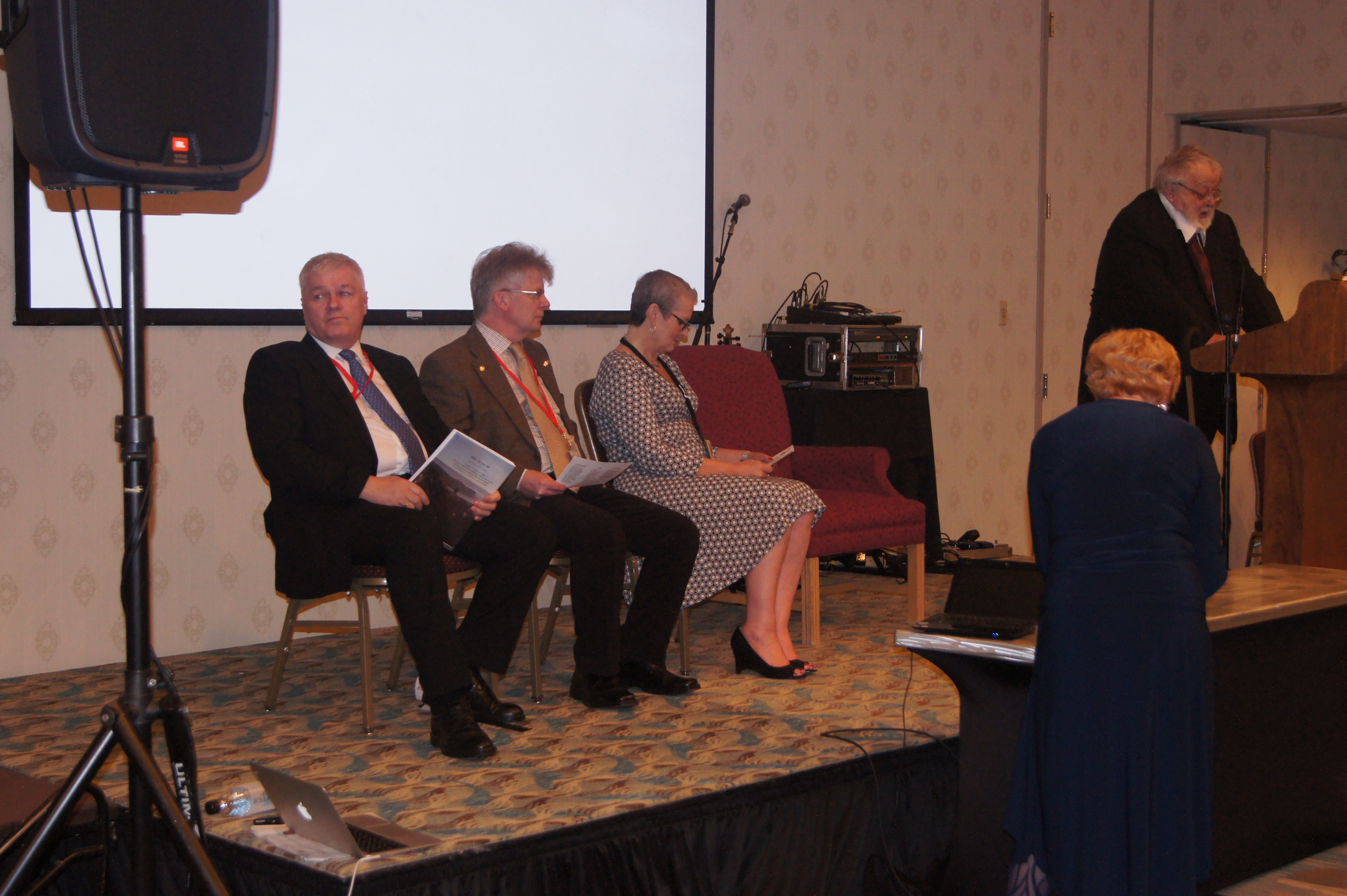
Getting to the INL conference in Seattle this year was easy. Participants could drive from Vancouver or White Rock. For those of us in Victoria, harbour to harbour on the Clipper was two hours and forty-five minutes and no having to deal with airports.

It rained. Let